
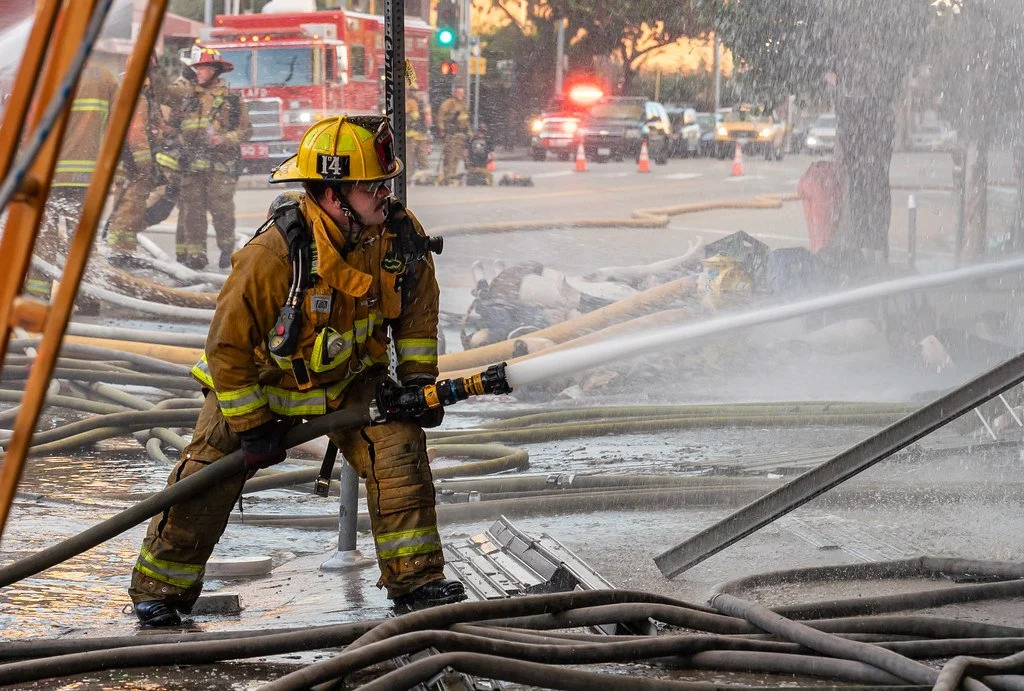
Firefighters deserve the staffing, equipment, and support to protect our communities and return home safely. My plan invests in the people and firehouses we depend on while protecting firefighters’ health, bargaining rights, and retirement. Career, volunteer, and combination departments must have the resources to serve their communities without placing unreasonable burdens on firefighters or local taxpayers.
Community Firefighting
Support Plan
-
Strengthen federal support for hiring and retaining firefighters so departments can respond safely without relying on chronic understaffing and excessive mandatory overtime.
Expand Staffing for Adequate Fire and Emergency Response (SAFER) grants to help departments hire, retain, and restore frontline personnel.
Provide longer funding periods and flexible local matching requirements for financially distressed communities, with realistic plans to sustain staffing.
Develop staffing and fatigue-management plans with frontline firefighters and their representatives, accounting for call volume, response distances, and community risks.
-
Ensure firefighters have dependable equipment and healthy stations that support emergency readiness while reducing preventable exposure to workplace hazards.
Strengthen Assistance to Firefighters Grants (AFG) for protective equipment, breathing apparatus, emergency vehicles, communications, and training.
Establish dedicated federal funding to renovate or replace aging firehouses, including diesel-exhaust removal, ventilation, mold remediation, and safe sleeping facilities.
Support separate spaces for contaminated equipment, proper gear washing and storage, and backup protective gear during cleaning or repairs.
-
Reduce exposure to dangerous substances and make early detection, treatment, and occupational illness benefits more accessible throughout a firefighter’s life.
Fund recommended cancer screenings, occupational health examinations, and confidential exposure records that follow firefighters between departments and into retirement.
Accelerate research and replacement grants for protective gear and firefighting foams free of PFAS, while maintaining necessary protection against heat and other hazards.
Strengthen federal occupational illness protections and help states expand presumptive coverage, reducing the burden of proving that recognized firefighting illnesses are work-related.
-
Make confidential, specialized mental health care available before trauma, exhaustion, or substance use threatens a firefighter’s health, family, or career.
Expand access to clinicians trained in first responder trauma, including regional treatment programs and telehealth for rural departments.
Fund trained peer-support teams and establish clear confidentiality protections, with narrowly defined exceptions for immediate safety threats.
Support paid treatment leave, family counseling, and structured return-to-work programs without automatic career penalties for seeking help.
-
Protect the benefits firefighters earn and ensure that serious injuries, occupational illnesses, or deaths do not leave their families without support.
Defend earned pensions and Social Security fairness protections, and support affordable health coverage between retirement and Medicare eligibility.
Ensure timely implementation of federal line-of-duty cancer benefits, with clear eligibility guidance and assistance for families filing claims.
Improve disability and survivor claims through transparent processing deadlines, accessible appeals, and dedicated case assistance.
-
Give rural and underserved communities dependable emergency protection by helping local departments meet training, equipment, and recruitment needs.
Simplify federal grant applications, provide application assistance, and reduce matching requirements for departments with limited tax bases.
Support volunteer recruitment and retention through training scholarships, reimbursement of necessary service expenses, and protections against job retaliation for qualifying emergency service.
Invest in regional training, mutual-aid coordination, compatible radio systems, and preparation for severe storms, floods, hazardous materials incidents, and other local risks.
-
Equip fire departments to safely control lithium-ion battery fires in vehicles, homes, and energy storage facilities while protecting firefighters from explosions, toxic exposure, and reignition.
Expand federal grants for independently tested battery-fire response equipment, including water supply and cooling systems, thermal imaging cameras, and appropriate gas-detection equipment, with priority assistance for underfunded departments.
Fund research and independent testing of new suppression technologies, requiring evidence of safety and effectiveness before federal dollars purchase specialized equipment.
Provide hands-on training and regional response resources for battery identification, fire suppression, prolonged monitoring, and safe coordination with towing, storage, and disposal services.