
A practical, future-proof plan built around cost savings, resilience, and quality of life. So communities spend less fixing the same problems and more building places people actually want to live.
We invest in this plan because independence matters, connection matters, and every person deserves the comfort and security of aging safely where they feel most at home.
21st CENTURY INFRASTRUCTURE
MODERNIZATION PLAN
-
Fund upgrades that prevent repeat damage from severe weather, age, and wear and tear, so taxpayers pay once, not over and over.
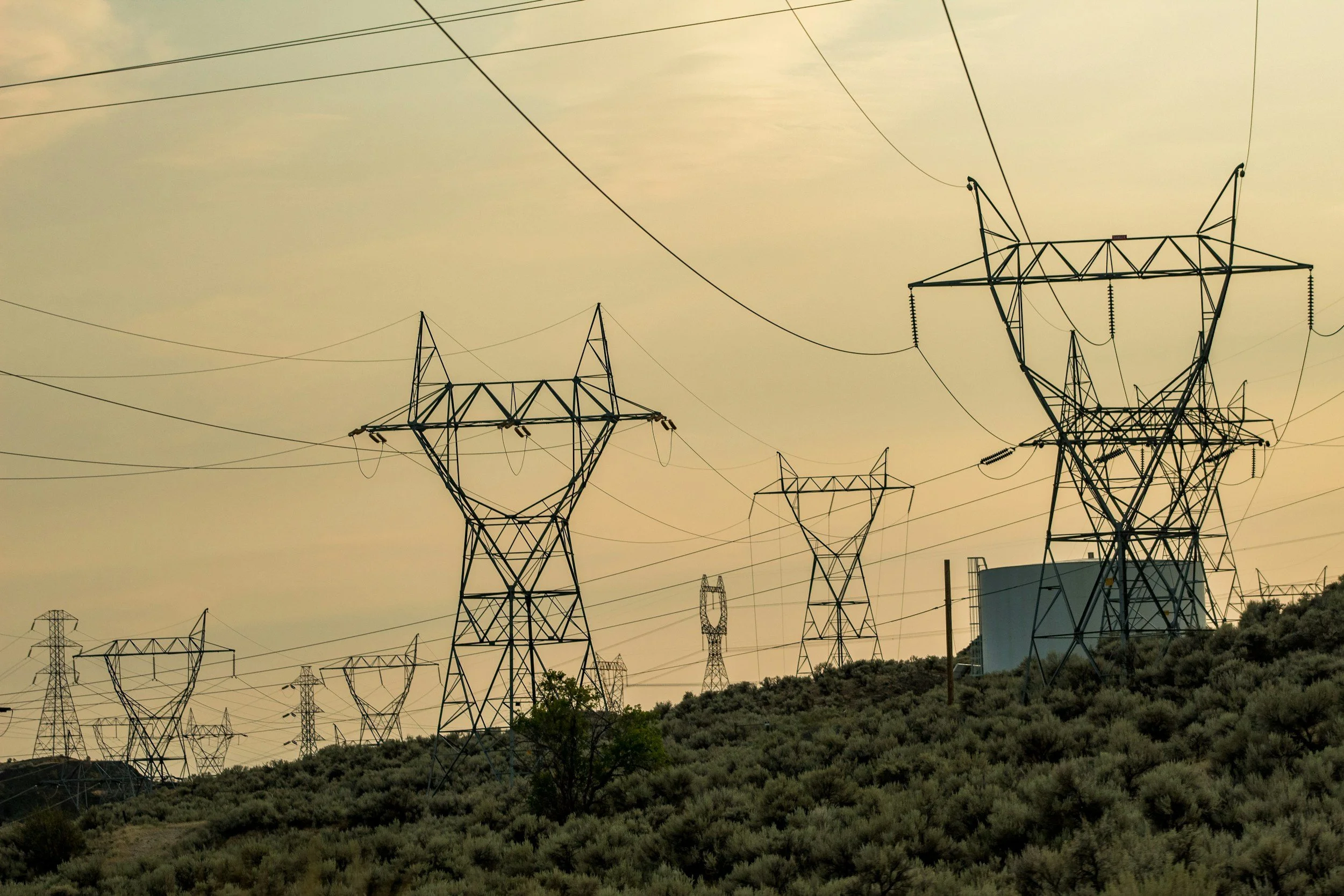
- Upgrade roads, bridges, water/sewer, electricity, and drainage systems to withstand flooding, ice, heat, heavy loads, and routine deterioration—reducing failures and emergency repairs
- Require “upgrade-ready” design standards (modular components, planned replacement cycles, accessible maintenance points, and clear asset inventories) so communities can refresh infrastructure continuously without massive overhauls.
- Promote universal parts and interoperable product standards across local infrastructure (where appropriate) to prevent obsolescence, simplify training, speed repairs, and lower procurement and maintenance costs.
-
Revitalize downtowns by repairing buildings, supporting mom-and-pop business, and adding housing, so small towns stay alive, locally owned, and become a true “village center” once again.
- Invest in strategic multi-tier parking garages near downtown corridors to increase parking capacity while freeing courthouse squares and Main Streets for pedestrian use and local activity.
- Redesign courthouse squares and main streets so they can be easily closed for festivals, farmers markets, parades, and community gatherings while maintaining normal traffic flow during regular hours.
- Provide grants for lighting, sidewalks, outdoor seating areas, public restrooms, public entertainment avenues, vendor power hookups, Wi-Fi zones, and beautification projects that help small towns rebuild their community engagement.
-
Develop a modern passenger rail network that connects cities, regions, and rural hubs through high-speed and upgraded regional rail corridors to improve mobility, economic growth, and transportation efficiency.
- Construct dedicated high-speed rail lines connecting major metropolitan regions where distance and demand support faster-than-air travel between cities (ex : St Louis → Kansas City → Denver)- Modernize existing rail corridors with improved track, signaling, and stations to increase speed, reliability, and frequency for regional passenger service.
- Invest in station districts and multimodal transit connections that link rail stations with local transit, walkable development, and surrounding communities.
-
We need to treat broadband and cell coverage like the essential utilities that fuel economic growth that they are and work to expand public utility where it is unprofitable for private interests.
- Fund last-mile fiber and fixed wireless with strict performance and reliability requirements
- Expand cell towers and small-cell networks to eliminate rural and highway dead zones and strengthen emergency communication coverage
- Require open infrastructure access contracts, allowing multiple providers to pay reasonable fees to use publicly funded broadband and cell data lines to increase competition, lower prices, and expand service availability
-
Finish federal nuclear cleanup safely while protecting workers and rebuilding host communities.
Create protected ten-year cleanup accounts for each former uranium-enrichment site, funded from independently verified lifecycle estimates and released only when regulators certify completed milestones.
Require successor DOE contractors to offer qualified incumbent workers their jobs first, honor collective-bargaining agreements, preserve wages and benefits, and provide paid training before cleanup phases end.
Give local public development authorities first refusal on independently cleared federal land and usable infrastructure, keep DOE liable for legacy contamination, and reinvest site revenue in monitoring and community-approved redevelopment.