
America deserves affordable energy, dependable service, and good jobs. My approach is all energy on deck: coal, natural gas, nuclear, hydropower, solar, wind, and emerging technologies should compete to meet our needs. Government should establish fair rules and hold every energy source accountable for its full costs, reliability, safety, and environmental impacts.
Public investments should deliver measurable public benefits. We should build an energy system that serves families, farmers, workers, and businesses while preparing Kentucky for the future.
Reliant & Affordable
American Energy Plan
-
America needs a diverse energy supply that can meet growing demand while keeping costs affordable. Every energy source should have an opportunity to compete.
Evaluate federal energy investments by lifetime costs, dependable output, safety, environmental impacts, and benefits to customers without selecting preferred fuels or technologies.
Fund competitive research, development, and demonstration projects across energy technologies, with clear milestones and accountability for public dollars.
Require credible assessments of replacement generation, transmission capacity, and customer costs when federally supported projects involve retiring or replacing existing facilities.
-
Economic development should strengthen our communities without leaving families, farmers, and small businesses responsible for someone else’s energy expenses. Large energy users should pay the additional costs they create and provide financial protections that remain enforceable if their plans change.
Establish protections against shifting infrastructure and power supply expenses attributable to data centers and other exceptionally large users onto existing customers.
Require appropriate financial guarantees, minimum payment commitments, and exit provisions before federally supported infrastructure is built to serve major developments.
Condition federal assistance on independent assessments of customer costs, reliability, and enforceable protections against unfair cost shifting.
-
Communities that host energy infrastructure should receive clear, lasting benefits from that development. Federal support should help secure meaningful local investments and opportunities for affordable power while maintaining the regional connections that strengthen reliability.
Condition major federal energy assistance on enforceable community benefit agreements that can include infrastructure improvements, emergency preparedness, workforce development, or electricity bill credits where feasible.
Support voluntary purchasing partnerships that help utilities, cooperatives, and municipal systems negotiate competitive power agreements, including with nearby generators.
Require recipients of federal assistance to disclose project ownership, major sales arrangements, financial risks, and progress toward promised community benefits while protecting legitimate confidential information.
-
Families should have practical ways to reduce energy bills without taking on expenses they cannot afford. Assistance should help people improve their homes, choose equipment that meets their needs, and understand the full costs and expected savings before making a decision.
Expand assistance for insulation, weatherization, efficient equipment, and repairs needed to complete energy upgrades.
Support improvements in rental housing with enforceable safeguards against excessive rent increases or displacement tied to publicly funded upgrades.
Help households, farms, and small businesses compare installation, operating, and maintenance costs and access financing tied to credible savings estimates.
-
Modernize America’s coal fleet to improve efficiency, strengthen dependable operation, and reduce pollution while supporting coal workers and communities.
Finance boiler and turbine upgrades, modern controls, equipment monitoring, and winterization to improve output and reduce unplanned outages.
Support improvements to air pollution controls, wastewater treatment, coal ash management, and water reuse, alongside accountable carbon capture research and demonstrations.
Communities that operate coal mines or coal power plants must receive defined community-based benefit agreements that keep profits and support close to home.
-
Expand dependable nuclear power by modernizing existing facilities, advancing Generation IV reactors, and securing community benefit and safety standards.
Advance the development, demonstration, and construction of Generation IV nuclear reactors through competitive research grants, milestone-based financing, and expanded testing facilities with independent safety oversight.
Require community-based benefit programs and safe operating-life requirements at new and existing nuclear plants.
Invest in domestic nuclear fuel production, reactor component manufacturing, workforce training, and secure spent-fuel management to protect Nuclear-Ready communities.
-
Strengthen natural gas generation and delivery through efficient equipment, dependable fuel supplies, and infrastructure built to withstand severe weather.
Support high-efficiency combined-cycle plants, turbine modernization, and combined heat and power systems that put otherwise wasted heat to productive use.
Finance winterization, pipeline repairs, methane detection, and leak prevention across production, transportation, storage, and distribution systems.
Expand necessary pipeline and storage capacity based on demonstrated demand, with stronger coordination between gas suppliers and power generators.
-
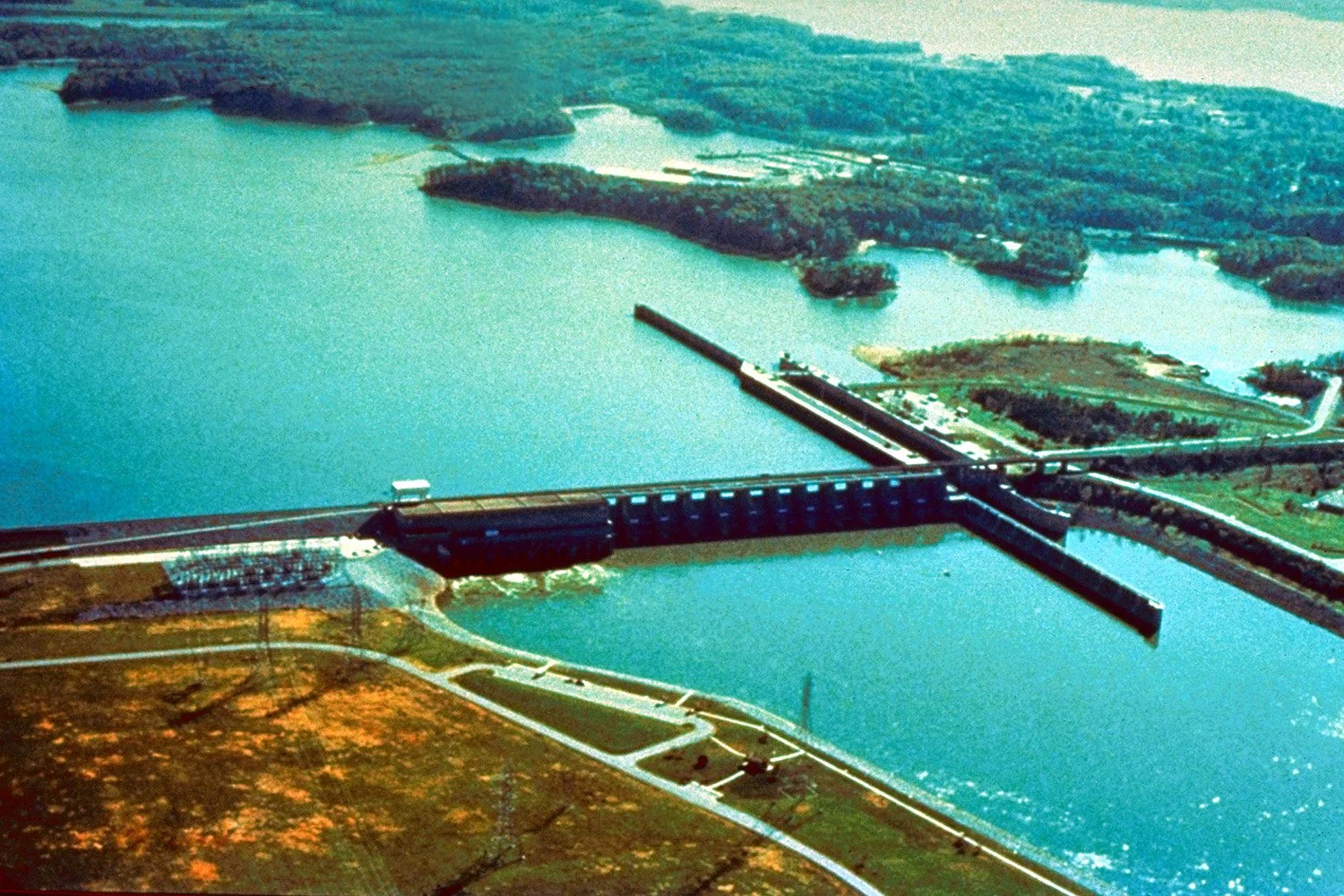
Increase hydropower production by upgrading existing facilities and developing suitable water infrastructure while protecting dam safety and river health.
Finance modern turbines, generators, and digital controls to increase efficiency, improve reliability, and extend facility life.
Support engineering and construction to add generation at suitable existing dams, canals, and water systems.
Upgrade dam safety, sediment management, fish passage, and water monitoring to sustain dependable hydropower production.
-
Expand affordable solar generation through American manufacturing, practical installation opportunities, and equipment designed for dependable long-term performance.
Invest in domestic production of solar cells, wafers, panels, inverters, and related components.
Expand financing for rooftop, community, commercial, and utility-scale installations, including warehouses, parking areas and brownfields.
Support panel efficiency, advanced controls, weather-resistant equipment, maintenance training, and domestic recycling infrastructure.
-
Develop smaller-scale wind projects with meaningful community participation, fair consideration of property impacts, and enforceable local energy benefits.
Fund research, manufacturing, and deployment of smaller turbines and distributed wind systems suited to farms, businesses, public facilities, and community ownership.
Require community-based benefit agreements including independent assessment of potential property devaluation.
Support community buy-in through ownership opportunities, local power agreements, and enforceable benefits such as electricity bill credits or shared project revenue.
-
Expand geothermal electricity and heating through better resource mapping, advanced drilling, and investment in commercially viable projects.
Fund public resource mapping, exploration, and cost-shared test drilling to identify usable geothermal resources.
Advance enhanced and closed-loop geothermal systems through research and demonstration projects with groundwater protection and seismic monitoring.
Finance geothermal power facilities and heating networks, supported by domestic equipment manufacturing and specialized workforce training.
-
Strengthen America’s petroleum supply through efficient production, dependable infrastructure, and investments that prevent leaks, reduce waste, and expand recycling.
Support equipment upgrades that improve production efficiency, reduce emissions, and prevent leaks through better monitoring, maintenance, and timely repairs.
Expand financing for refinery improvements and needed capacity, with stronger worker safety, spill prevention, and severe-weather protection.
Improve pipelines, storage facilities, and fuel distribution networks while expanding used-oil collection, recycling, and refining facilities.