
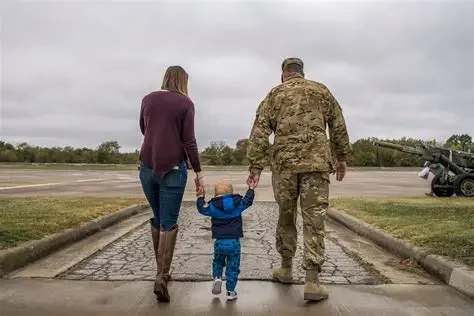
Military families and service members should be able to rely on the programs Congress funds for their quality of life without those resources being redirected when other defense priorities arise. This plan establishes protected funding directives for essential military obligations, strengthens transparency over how those dollars are spent, and requires greater congressional oversight before designated funds can be moved or reduced.
By treating these commitments as obligations rather than optional expenses, we can better protect military families, improve readiness, and ensure defense dollars are used for the purposes Congress intended.
Military Funding
Integrity Plan
-
Extends dependent health coverage through age 26 for military and veteran families.
Continue eligible military-family health coverage through age 26 without requiring separate young-adult premiums.
Remove school enrollment and financial-dependency requirements before age 26.
Prevent employment or access to an employer plan from automatically ending family coverage.
-
Ensures military and veteran children are not penalized for beginning work or becoming financially independent.
Prevent employment alone from terminating benefits earned through a parent’s military service.
Replace abrupt income-based benefit cliffs with gradual phaseouts where financial eligibility is required.
Protect part-time jobs, internships, apprenticeships, and early-career employment from unnecessary benefit penalties.
-
Reduce instances of unnecessary family separation surrounding childbirth, adoption, and military-directed moves.
Establish protected stabilization periods after birth, adoption, or placement of a child.
Limit unnecessary PCS moves and extended separations during protected family periods.
Provide additional protections for single-parent and dual-military households.
-
Protects children from unnecessary educational and medical disruption when military service moves their families.
Guarantee rapid school-record, special-education, and accommodation transfers during a PCS.
Maintain continuity of medical, therapeutic, and disability-related services during relocations.
Provide transition protections for children when a military parent separates or retires from service.
-
Ensures military families can understand school quality and maintain continuity of learning when military orders move their children between U.S., military-operated, and overseas schools.
Require clear public reporting on academic outcomes, graduation rates, accreditation, student supports, and available special-education services at schools serving military children.
Create standardized transfer records that communicate completed coursework, academic progress, IEP/504 accommodations, intervention needs, and other essential learning information before a military family moves.
Require receiving schools to review transferred records promptly and provide comparable placement, services, and academic credit so military children are not forced to repeat learning or lose needed supports because of a PCS move.